How to Choose the Best JEE Coaching for JEE 2027 and 2028
Complete Checklist for Students and Parents
How to Choose the Best JEE Coaching for JEE 2027 and 2028
Every year, lakhs of families across India sit down to make one of the most financially and academically significant decisions of their child's life: which JEE coaching should we choose?
And almost every year, a large number of those families make the decision based on the wrong things. They choose based on which institute has the most attractive advertisement. They choose because a neighbour's child went there. They choose because the institute showed them a result board with impressive ranks without asking any deeper questions about those numbers. Or they choose the most expensive option thinking cost equals quality.
By the end you will know exactly what questions to ask, what answers to look for, what red flags to watch out for, and how to make a final decision confidently. Let us start with the most important thing most families get wrong from the very beginning.
The First Mistake: Evaluating Coaching the Wrong Way
Most families walk into a JEE coaching evaluation thinking about two things: reputation and cost. Both matter but neither of them is the most important thing to evaluate and neither will tell you whether this specific coaching will actually work for your specific child.
Keep that principle in mind as you go through the rest of this blog and through every coaching evaluation you do.
Attend a Demo Class Before Enrolling
Every reputable coaching should allow a prospective student to attend a demo class or trial lecture before paying fees. If they are not willing, that itself is a red flag worth noting. A demo class tells you more about teaching quality in one hour than any brochure or counsellor conversation ever could. Pay attention to three things: does the teacher explain where each formula comes from or just work through a solution? Does the teacher check for understanding during class? Is the pace appropriate for the batch level?
Find Out About Faculty Stability
One of the most common complaints from JEE students is that the impressive teacher in the demo class is different from who actually takes their batch all year. Ask specifically: who will take this batch throughout the year? How many years of experience do they have? Has the coaching kept the same core faculty for the past three to five years? Faculty turnover mid-year damages preparation quality significantly and is something most families never think to ask about before joining.
Evaluate Depth Versus Coverage
Ask the coaching team directly: in one chapter, how much time do they spend and how deep do they go? A coaching that covers the syllabus quickly at surface level and then moves to past papers is very different from one that builds genuine conceptual depth first. Neither is universally better but you need to know which approach is used because it needs to match how your child learns and what base they are starting from.
What Is the Actual Batch Strength?
Ask specifically for the number of students in the batch your child would be placed in, not the total program enrollment. Some institutes enroll thousands of students divided into batches of 80 to 120 per class. In a batch that large, individual doubt resolution during class time is essentially impossible and a student who is hesitant to interrupt will simply not get doubts resolved. For genuine learning, a batch size of 30 to 50 students is significantly more effective.
How Are Doubts Resolved Between Classes?
Ask about the specific system for doubt resolution outside of class hours. Is there a dedicated daily doubt clearing session? Is there a faculty member available at specific hours? Is there an online doubt forum? How quickly are doubts typically resolved? A coaching with no clear system for doubt resolution outside class is essentially telling you that if you did not understand something in the lecture, you are on your own until the next class.
Is There a Process for Identifying Struggling Students?
Find out whether the coaching has any mechanism to proactively identify and reach out to students who are falling behind. Some institutes do nothing beyond teaching class and administering tests. Others have academic mentors who actively track batch performance and reach out to struggling students. The second model is significantly more valuable for most students, especially those in the middle of the batch who need guidance the most.
What Is the Test Schedule?
Find out exactly how many tests are conducted per month and what types. Are they chapter-wise tests, subject-wise tests, or full-length JEE Main pattern tests? A coaching that conducts only monthly tests gives students very little feedback on chapter-wise preparation. A coaching with weekly chapter-wise tests and bi-weekly full tests gives students continuous feedback and much more frequent practice at performing under real exam conditions.
Is Detailed Post-Test Analysis Provided?
Find out whether the coaching simply returns scores or provides detailed performance analytics. Good post-test feedback tells a student specifically which concepts they are weak in, how their performance compares to the batch and historical benchmark for that chapter, and what type of mistakes they are making. A coaching that only tells you your score and rank without this deeper analysis is missing one of the most valuable parts of the testing process entirely.
Are Tests Based on Actual JEE Pattern?
Many coaching institutes conduct tests that do not replicate the actual JEE Main or JEE Advanced format. Tests should be timed, single-sitting, and based on the real exam pattern including the marking scheme, section structure, and question types. If the tests do not mirror the real exam, the practice they provide has limited transfer to actual exam performance.
Is the Material Developed In-House?
Find out whether the coaching uses material developed by their own experienced faculty or widely available third-party printed material. In-house material developed by experienced JEE teachers is almost always more specifically calibrated to what JEE actually tests and has better problem sets. Ask to see a sample chapter for the subject your child finds most challenging before making any judgment about material quality.
Does the Material Include Graded Problem Sets?
Good JEE study material should have problems organised by difficulty level, starting from NCERT-level and building up to JEE Advanced level within the same chapter. Material that only has high-difficulty problems from the start is not useful for building understanding. Material that stops at easy to medium problems is not sufficient for JEE Advanced preparation. The graded progression within each chapter is what makes material genuinely useful throughout the year.
Are Previous Year Papers Integrated?
The best study materials integrate JEE previous year questions directly into chapter content rather than keeping them entirely separate as a revision resource at the end of the year. When a student encounters a previous year question immediately after studying the relevant concept, the connection between understanding and application is made much more directly and the question makes much more sense in context.
Does the Schedule Fit With School?
For Class 11 and 12 students attending regular school, the coaching schedule needs to be compatible with school hours. Ask specifically about days and timings of coaching classes and map them against the student's school schedule. If coaching classes require students to miss school regularly, that creates board eligibility issues and preparation gaps that compound over time.
How Much Travel Time Is Involved?
A student spending two hours travelling to and from coaching every day loses 10 hours per week, which is almost two full working days of study time every week. Over two years that is close to 1,000 hours. Always factor travel time into the real cost of choosing offline coaching and compare it honestly against online or hybrid options. Travel time is a real and often underestimated cost of offline coaching.
What Is the Missed Class Policy?
Find out what happens if a student misses a class due to illness, family events, or board exam preparation. Is there a mechanism to catch up on missed content? Are recorded sessions available? Is there a make-up session? A coaching with no system for missed classes essentially penalises students for anything that disrupts the fixed schedule, which over two years will happen many times for every student without exception.
How Are the Results Counted?
Ask specifically: of all students who enrolled in the JEE 2026 batch, how many appeared for JEE Main? Of those who appeared, how many cleared the cutoff? Of those who cleared, how many cleared JEE Advanced? This progression gives a very different picture from a result board showing only the top 10 ranks. An institute that enrolled 500 students and produced 3 IIT selections is a very different story from one that enrolled 50 students and produced the same 3 selections. Both might show the same three names on the board.
What Is the Improvement Rate for Average Students?
The most relevant metric for most families is not how well the top students performed but how much students in the middle of the batch improved. Ask the coaching for data on average percentile improvement from start-of-year mock scores to final JEE Main score. A coaching that significantly improves even average students is doing genuinely valuable work. A coaching whose improvements are concentrated only at the very top may be selecting already strong students rather than actually developing students.
Can You Speak With Current or Past Students?
Word of mouth from current and past students is more reliable than any result board. Ask whether you can speak with students who studied there, particularly students who had a similar starting level to your child. Their honest feedback about what worked and what did not is worth more than any brochure or enrollment counsellor conversation you will have during the evaluation process.
When Online Works Well
- Student is genuinely self-disciplined and focused without physical class presence
- Nearest quality offline coaching involves significant travel time
- Ability to revisit recorded lectures when reviewing a concept is valuable
- Cost is a significant factor for the family
- Student is in a dummy school or NIOS with a fully flexible schedule
When Offline Works Better
- Student needs the physical routine and daily accountability of a class to stay consistent
- Social environment of peers preparing seriously has genuine motivational value
- Real-time doubt resolution with a physical teacher present is more effective for this student's learning style
- Student thrives on structured, externally created daily routine
The Complete Evaluation Checklist
Use this checklist when evaluating every coaching option you are considering. The more boxes you can honestly tick, the better the fit for your child's preparation.
Teaching Quality
- Demo class or trial lecture is available before enrollment
- The same faculty member will take the batch throughout the full year
- Faculty has significant JEE teaching experience (5 plus years)
- Teaching style builds conceptual understanding, not just content coverage
- Pace of class is appropriate for the starting level of students in the batch
Batch Size and Doubt Resolution
- Batch strength is 30 to 60 students rather than 80 to 120
- There is a dedicated daily or regular doubt clearing session
- A clear system exists for doubt resolution between classes
- There is a mechanism to proactively identify and support struggling students
Test System
- Chapter-wise tests conducted at least weekly
- Full-length JEE pattern tests conducted bi-weekly or more frequently
- Detailed post-test analysis provided beyond just scores and ranks
- Tests follow actual JEE Main and Advanced format including marking scheme
Study Material
- Material is developed by the coaching's own experienced faculty
- Problems are graded from NCERT level to JEE Advanced level within each chapter
- Previous year JEE questions are integrated into chapter content
Schedule and Logistics
- Coaching schedule is compatible with school hours without requiring regular missed school days
- Travel time to offline coaching is reasonable and has been factored into daily time budget
- There is a clear system for catching up on missed classes through recordings or make-up sessions
Track Record
- Full enrollment to result conversion data is available, not just the top rank list
- Data on average student improvement is available
- You can speak with current or past students at a similar level to your child
Cost and Value
- Fee structure is completely transparent with no hidden charges for material, tests, or online access
- EMI or instalment option is available if needed
- Total fee fits within the family's actual budget without creating financial stress over two years
Red Flags to Watch Out For
When evaluating any JEE coaching, these specific red flags should make you pause and ask harder questions before committing any fees.
Coaching refuses to share data on full batch enrollment to result conversion and only shows a result board with top ranks and no context about total students enrolled.
Coaching makes promises about guaranteed ranks or guaranteed IIT selection without first meeting the student and honestly assessing their current preparation level.
Base coaching fee is followed by separate charges for study material, test series, doubt sessions, and online access that were not clearly disclosed upfront.
Multiple student complaints about faculty members being changed during the year without adequate notice or transition support.
Coaching schedule requires students to miss significant school attendance regularly, which creates board eligibility risks and gaps in board preparation.
The enrollment counsellor cannot answer specific questions about teaching methodology, batch size, faculty experience, or test frequency and redirects everything to brochures and marketing material.
No system at all for students to resolve doubts between classes, with doubt resolution expected to happen only during the lecture itself in a batch of 80 plus students.
How to Think About Coaching Fees the Right Way
JEE coaching fees in India range from a few thousand rupees per year for basic online programs to several lakhs per year for premium residential programs. The range is enormous and cost is not a reliable proxy for quality in either direction.
The question to ask is not "which coaching is best?" but rather "which coaching provides the best preparation for my child at a cost that allows our family to support it without financial stress for the next two years?" Financial stress at home during the preparation period affects a student's performance more than most families realise.
About Competishun: Apply This Checklist to Us Too
At Competishun, we have been teaching JEE aspirants for more than 20 years. Our teachers are experienced JEE educators who have guided thousands of students across all levels from Class 11 beginners to droppers attempting JEE for the second or third time.
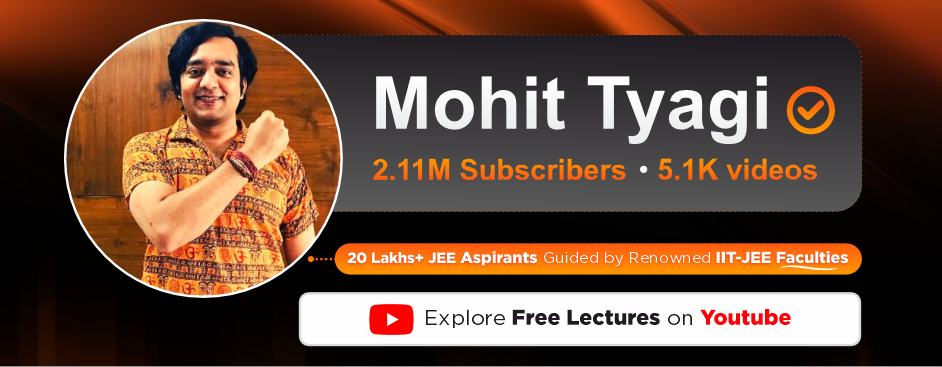
We believe that quality JEE preparation should not depend on where you live or how much your family can spend. That is why the Competishun YouTube channel, followed by more than 2.1 million students, offers thousands of free concept videos covering every chapter in the JEE syllabus. And our platform provides structured courses with experienced faculty, regular tests, detailed performance analytics, and comprehensive study material at a cost that is a genuine fraction of what comparable quality offline coaching charges.
If you are evaluating coaching for JEE 2027 or 2028, we encourage you to apply the checklist from this blog to evaluate us exactly as you would evaluate any other option. Attend a demo class. Ask about our faculty and their experience. Ask about our test system and post-test analysis. Look at our batch performance data and speak with students who have studied with us. An honest evaluation of what we offer is the best way for the right students to find us.
Courses at Competishun for JEE 2027 and 2028
Test Series (Official)
AITS Prakhar, AITS Praveen, UTS, ATS for JEE Main and Advanced.
View Test SeriesMust-Read Related Blogs
These three blogs cover the decisions that come right before and right after choosing coaching. Together they give you a complete picture of everything your child needs to start JEE 2027 or 2028 preparation on the right foot.
An honest comparison of all three school options so coaching and school choices can be made together as a single coherent plan.
The full 12-month phase-wise plan for students who attempted JEE 2026 and want a genuinely better rank in 2027.
A practical guide for parents on being present in the right way during JEE preparation so support does not become pressure.
Final Thoughts
Choosing JEE coaching is not a decision to make based on what looks most impressive in a brochure or what a relative recommended based on their experience years ago. It is a decision that will shape the structure, quality, and feel of your child's preparation for the next one to two years.
Take the time to apply the checklist. Attend demo classes at more than one option before deciding. Talk to current and past students honestly. Factor in schedule, travel, cost, and fit alongside teaching quality. And remember that the best coaching for your child is the one that fits their specific learning style, starting level, and preparation goals and not the one with the most impressive result board in the lobby.